A simple bid check
Use one page to compare the real work
You do not need a construction background to do this. Write what each bid says under the same headings. A blank space is a question to send back to the contractor, not an assumption for you to make.
- Work area
- Does each bid describe the same rooms, frontage, utility route, or finished area?
- What gets removed and restored
- Check demolition, disposal, cleanup, concrete, asphalt, drywall, paint, and other restoration.
- Materials and finishes
- Look for product names, quantities, substitutions, fixtures, and finish assumptions.
- City and site questions
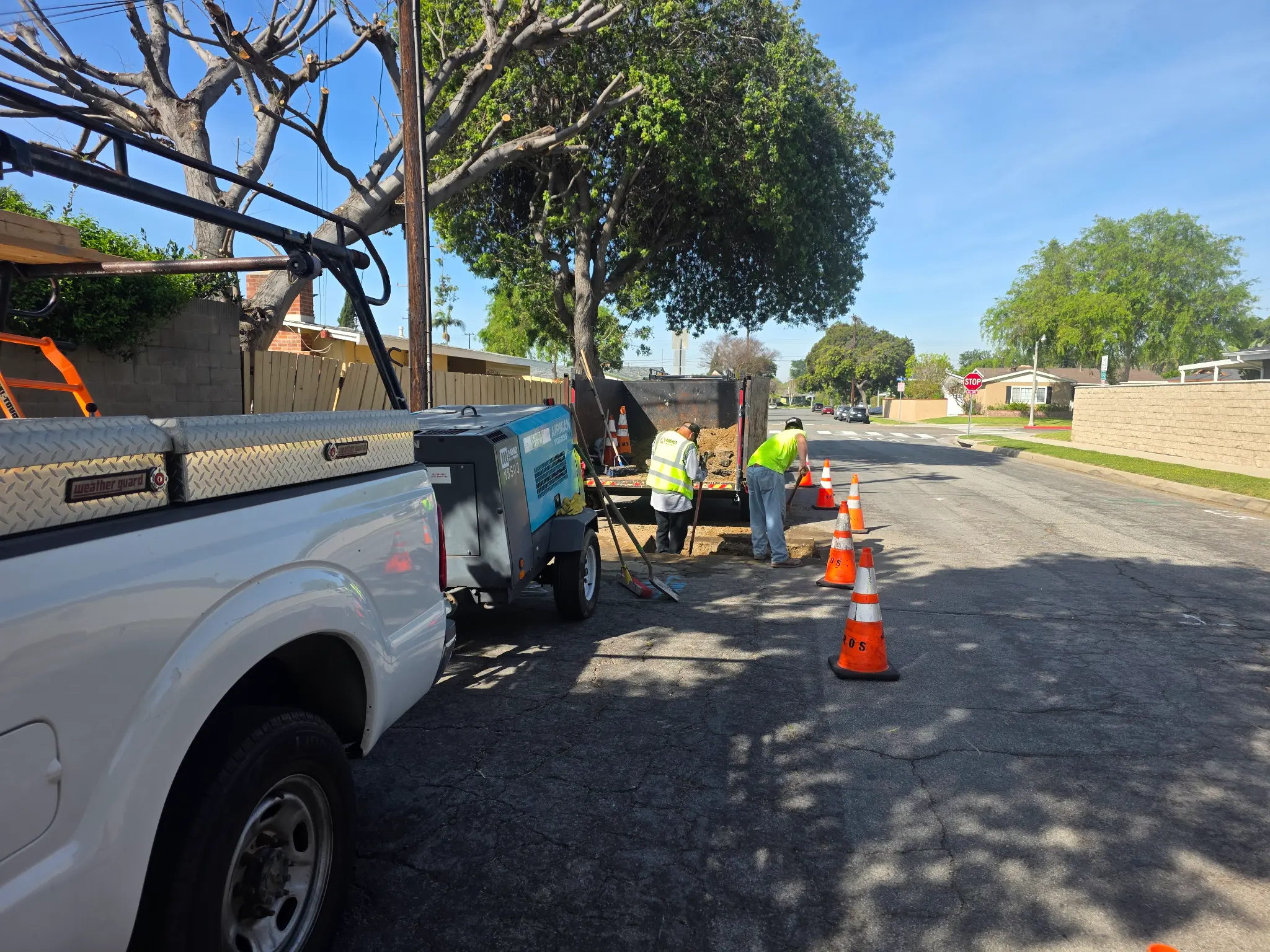
- Check permits, inspections, access, staging, parking, traffic control, and work near the street.
- Changes
- Find out what is excluded, what remains unknown, and how a change gets priced and approved.
Start with the same work list
The California Contractors State License Board recommends getting at least three written bids and comparing them on identical plans, specifications, and scope of work. Send the same plans, photos, City note, or written work list to every contractor. If one contractor saw the property and another did not, write that down. A bid cannot be fairly compared if one contractor is pricing a finished work list and another is pricing only the easy pieces.
Read past the total
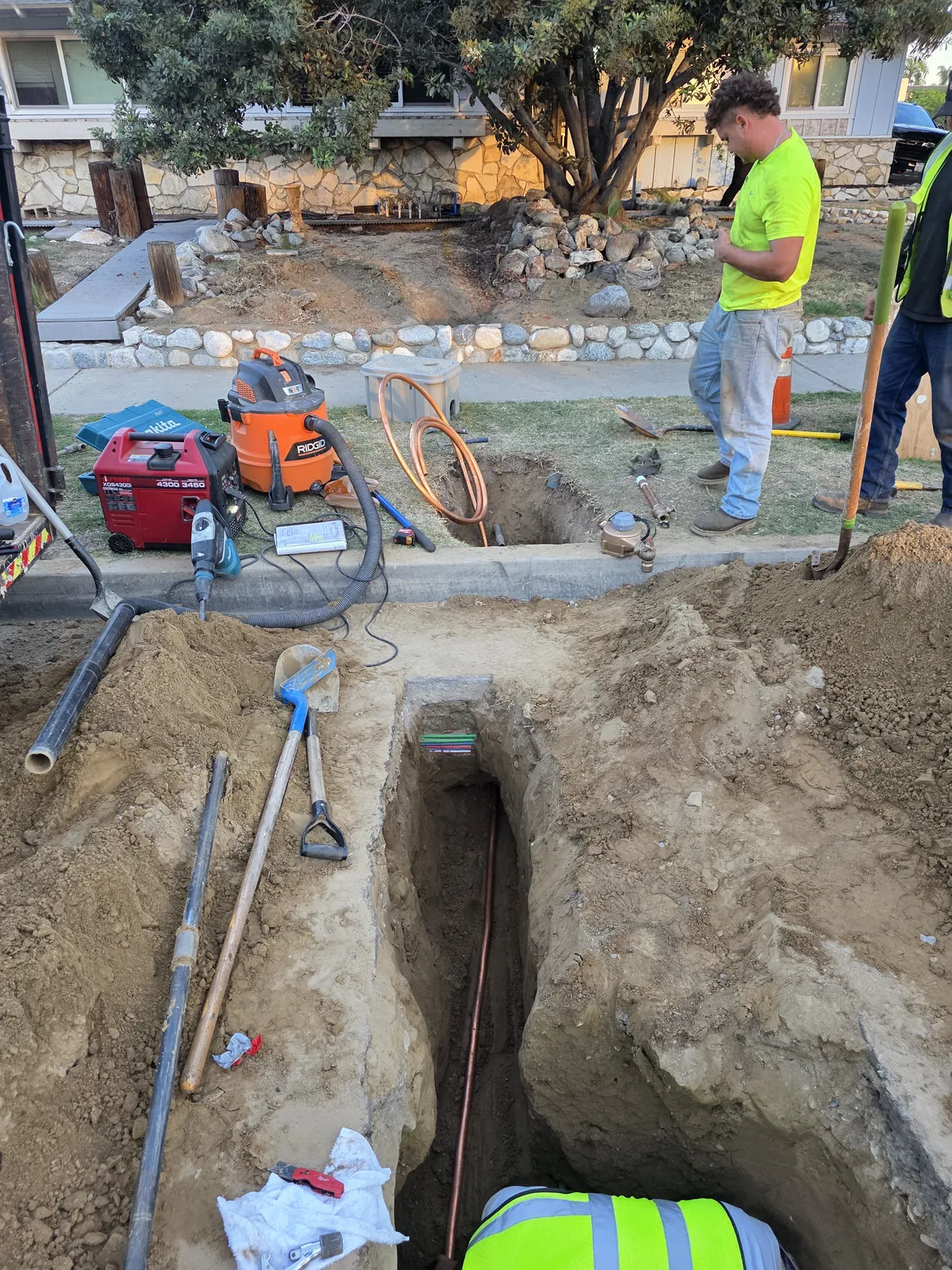
Look for the work before, during, and after the obvious part of the project. A concrete quote can include new concrete but leave removal, base preparation, access, or cleanup open. Water-line or sewer-lateral work can include the line itself while leaving the driveway, sidewalk, curb, asphalt, or street work for another conversation. Inside a building, ask who moves items, what gets repaired first, and when an occupied area can be accessed.
A low bid deserves a closer look
CSLB says not to automatically accept a bid that is substantially lower than the others. It may reflect a mistake or work that another bid includes. That does not mean the higher bid is always right. Ask the same question of every number that stands apart: what is different about the work list? Get a plain answer before you sign.
Ask what happens if the work changes
A project can uncover conditions that were not visible when the estimate was written. For California home-improvement work over $500, CSLB says the contract and any changes must be in writing. Its guidance says a change order should describe the change and be signed by both the customer and contractor before it becomes part of the work. Ask who explains an issue, who can approve a change, and whether you will see the price and scope before the work moves forward.
Check who you are hiring
Before you sign, verify the contractor’s license status and make sure the business name, address, and license information match the bid. Ask who will be your point of contact while crews are on site. A project needs someone who can answer a question, explain an open item, and tell you what decision is next.