Start with the message
Read the City note before you translate it
A short plan-check note can carry a lot of meaning. Keep it with the project file, then use these three prompts to understand where the question belongs.
The City note tells you what the City has raised. The property, access, removal, restoration, and other conditions on site help define the construction work.
Who sent it?
Look for the department or agency name. A Building Department, Public Works, Engineering, water, or sewer question may need a different follow-up.
Where is it pointing?
Circle the driveway, sidewalk, curb, street, utility connection, or other area the note mentions.
What does it actually ask for?
Keep the wording intact. If it is unclear, ask the issuing City or agency for the current requirement at your address.
The front of the property can be a separate part of the project
An architect’s plans explain the building you want to add or change. They may not answer every question about the sidewalk, curb, driveway approach, utility connection, or area near the street. That is why a City question can appear after the building side of the project is already moving. Every City handles this differently, so do not assume the process will be the same in Newport Beach, Fullerton, Costa Mesa, Huntington Beach, or another jurisdiction.
Do not assume the curb is the property line
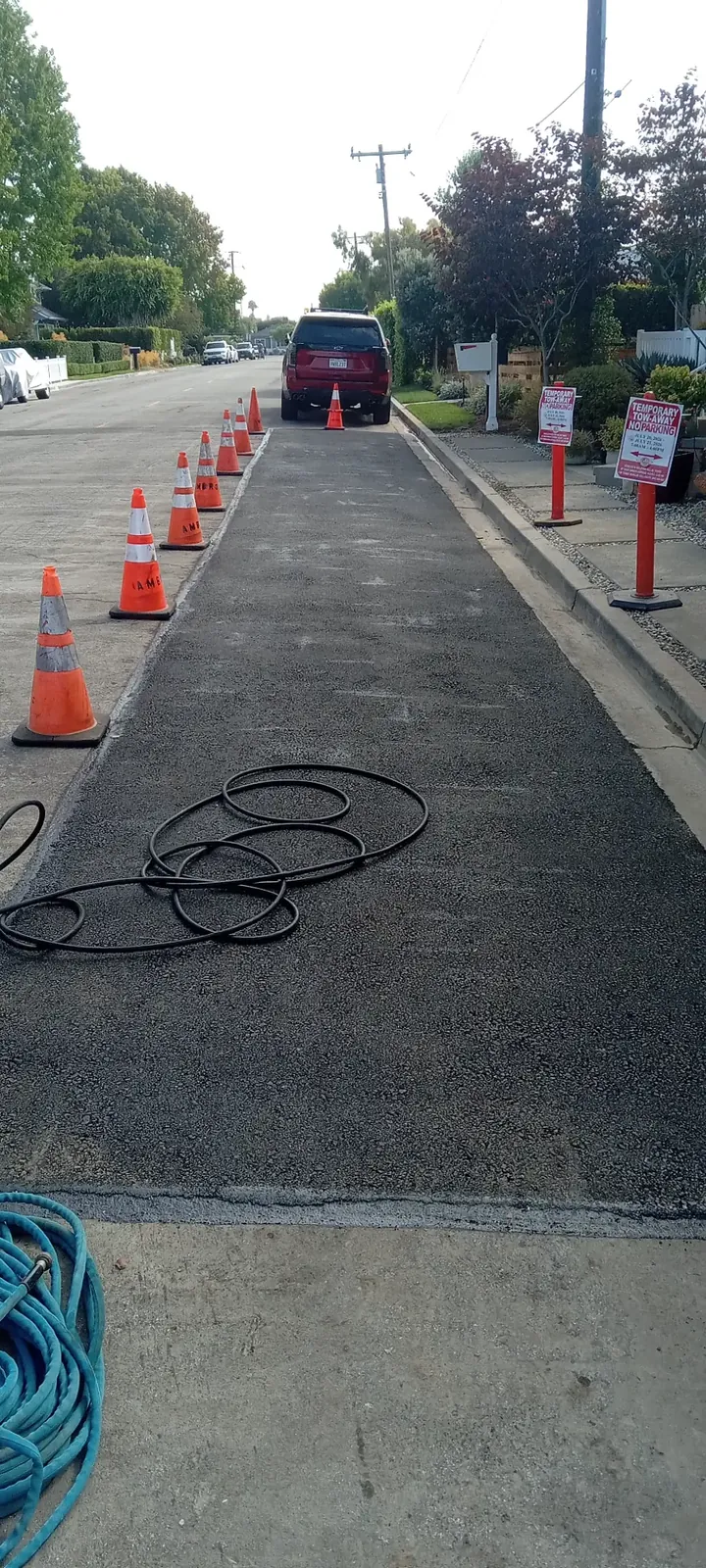
The part of a driveway closest to the street can look like it belongs to the home, but the City may treat it differently. Newport Beach says its driveway approach, or apron, is City property and that removing or replacing it requires an encroachment permit. The City also lists curb, gutter, sidewalk, road excavation, and certain water and sewer work as examples. That is a Newport Beach example, not a rule for every property in Southern California.
The City note is a starting point, not a final work list
A note may say replace sidewalk, modify driveway approach, provide curb ramp, or complete frontage improvements. It tells you what the City has raised. It does not explain every part of the construction work. The actual work can depend on the location, access, removal, what is underground, how people use the area, and what needs to be restored after the work is done.
Bring the actual City message
Save the email, portal note, plan-check comment, correction sheet, or permit-status update. A photo of the message is better than trying to repeat it from memory. Take wide and close photos of the driveway, sidewalk, curb, street, parkway, utility boxes, and the area the City mentioned. If you have plans, send those too. You do not need a finished package to start the conversation.
A site visit puts the construction details in one place
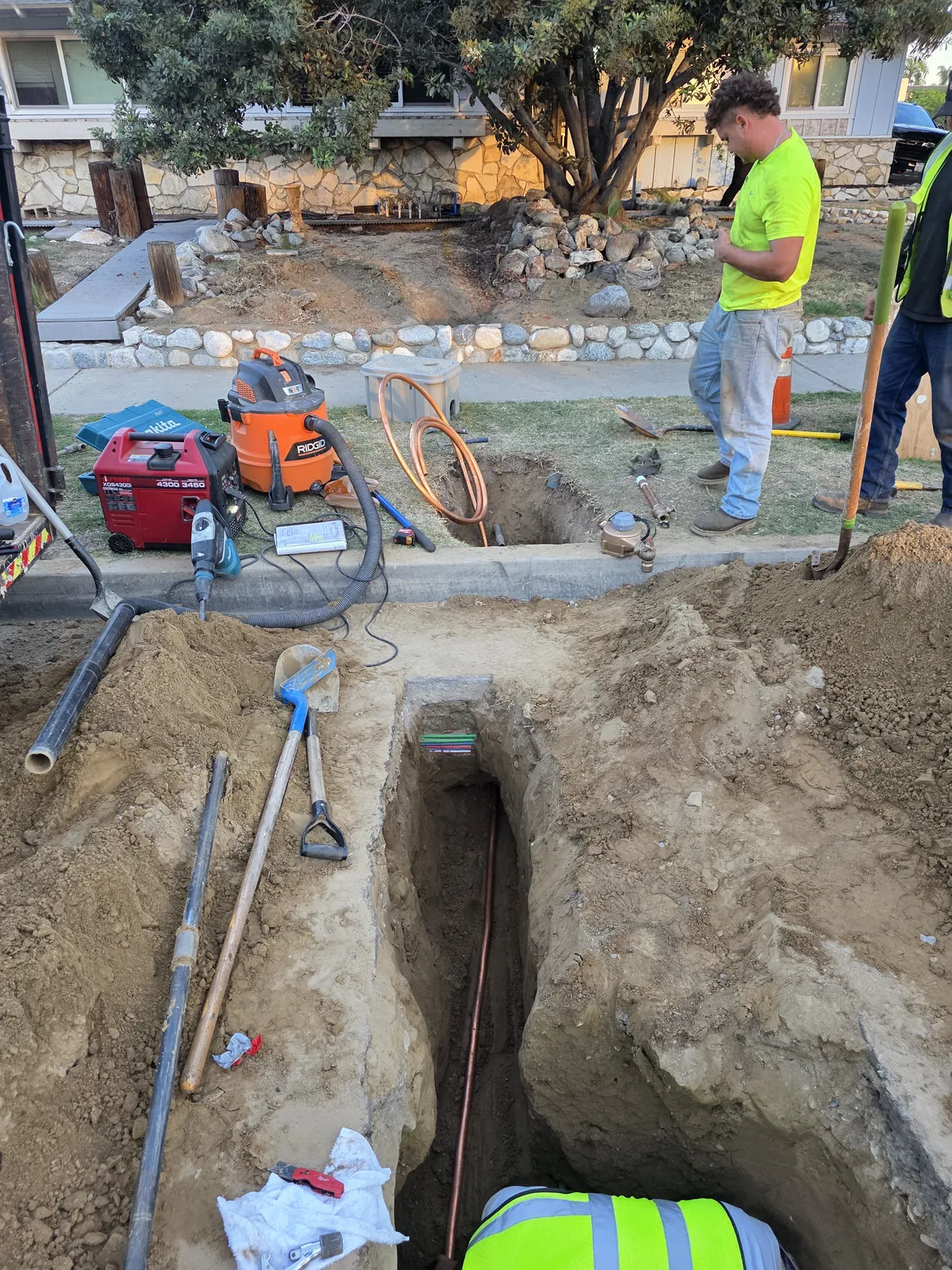
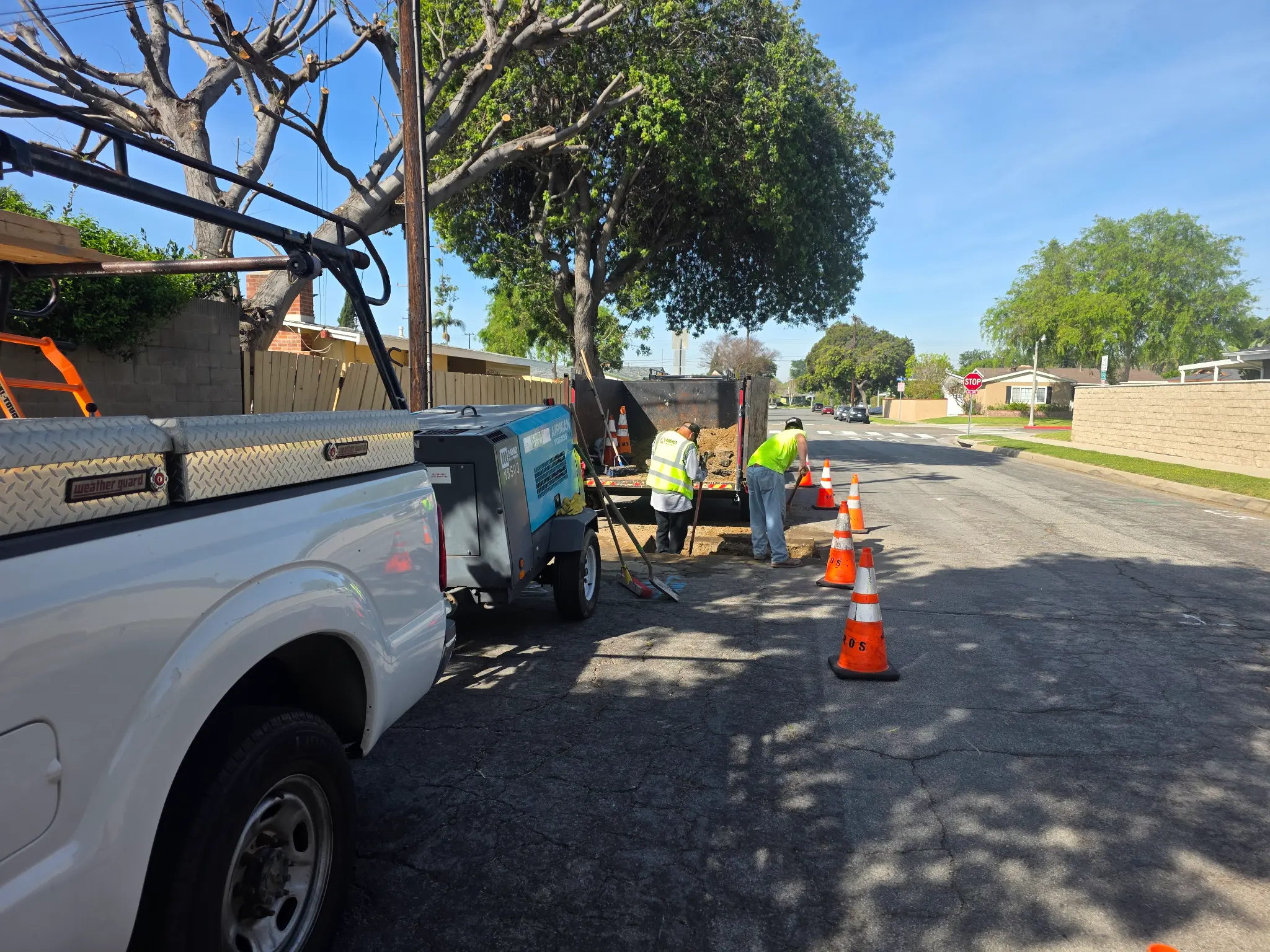
We look at where the work may fall, how crews can reach the area, what surfaces may need to be removed and restored, and what the City actually asked you to address. If the project also involves water, sewer, or underground utility work, we look at the route, connection area, trenching conditions, and what may be affected at the driveway, sidewalk, curb, or street.