Resources/City-Required Work
City-Required Work

What Is an Encroachment Permit — and Who Pulls It?

If your city is requiring construction work near the street — sidewalk, curb, water service, sewer lateral, or driveway approach — you've probably heard the term "encroachment permit." Here's a plain-language explanation of what it is, when you need one, and what your contractor should be doing about it.

Ambros Construction Inc.·CSLB #1037467·Serving LA & Orange County

The Short Answer

An encroachment permit is a permit issued by a city or county that allows a contractor to perform construction work in the public right-of-way — the strip of land between your property line and the street that is owned and maintained by the city.

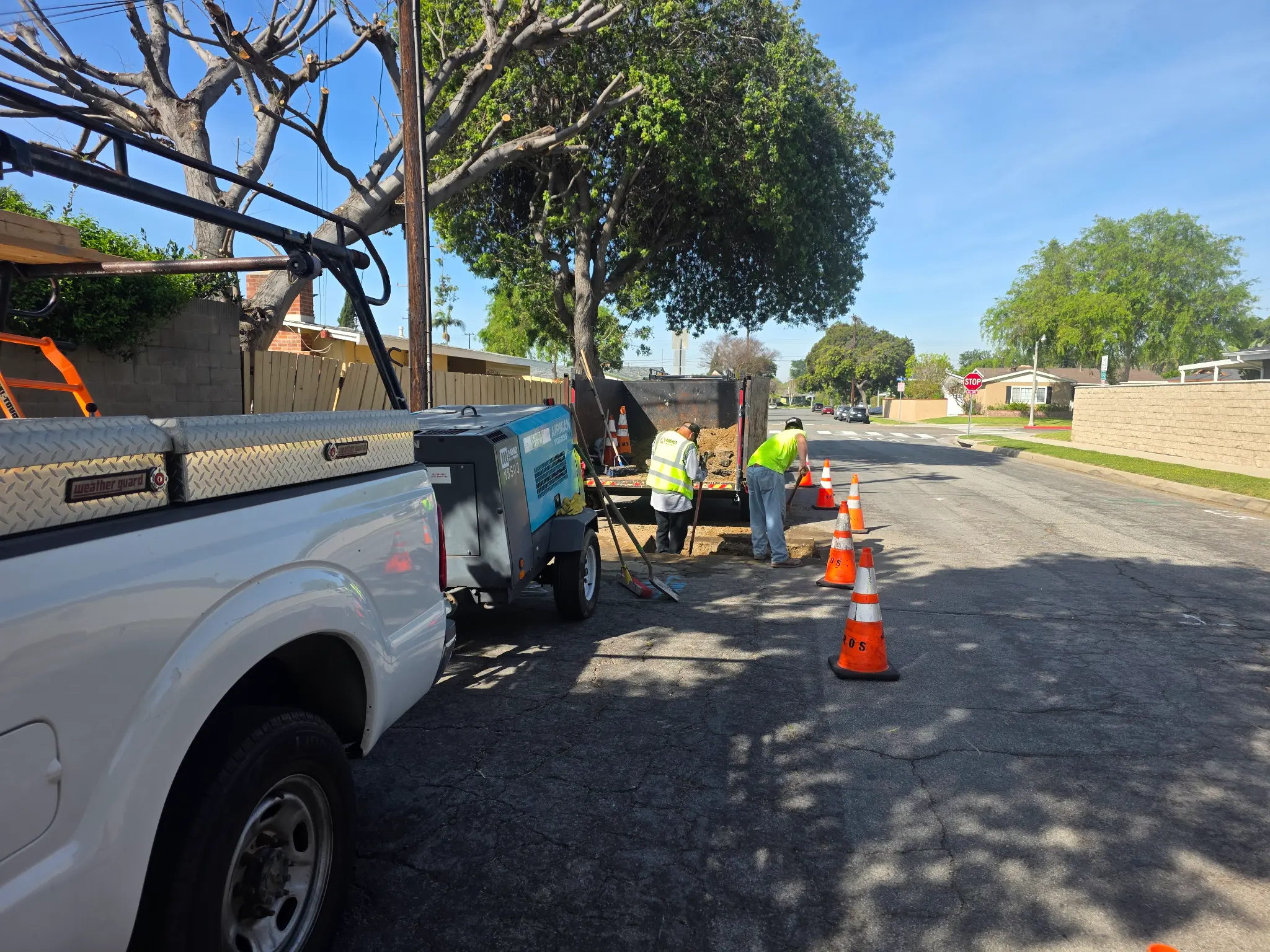
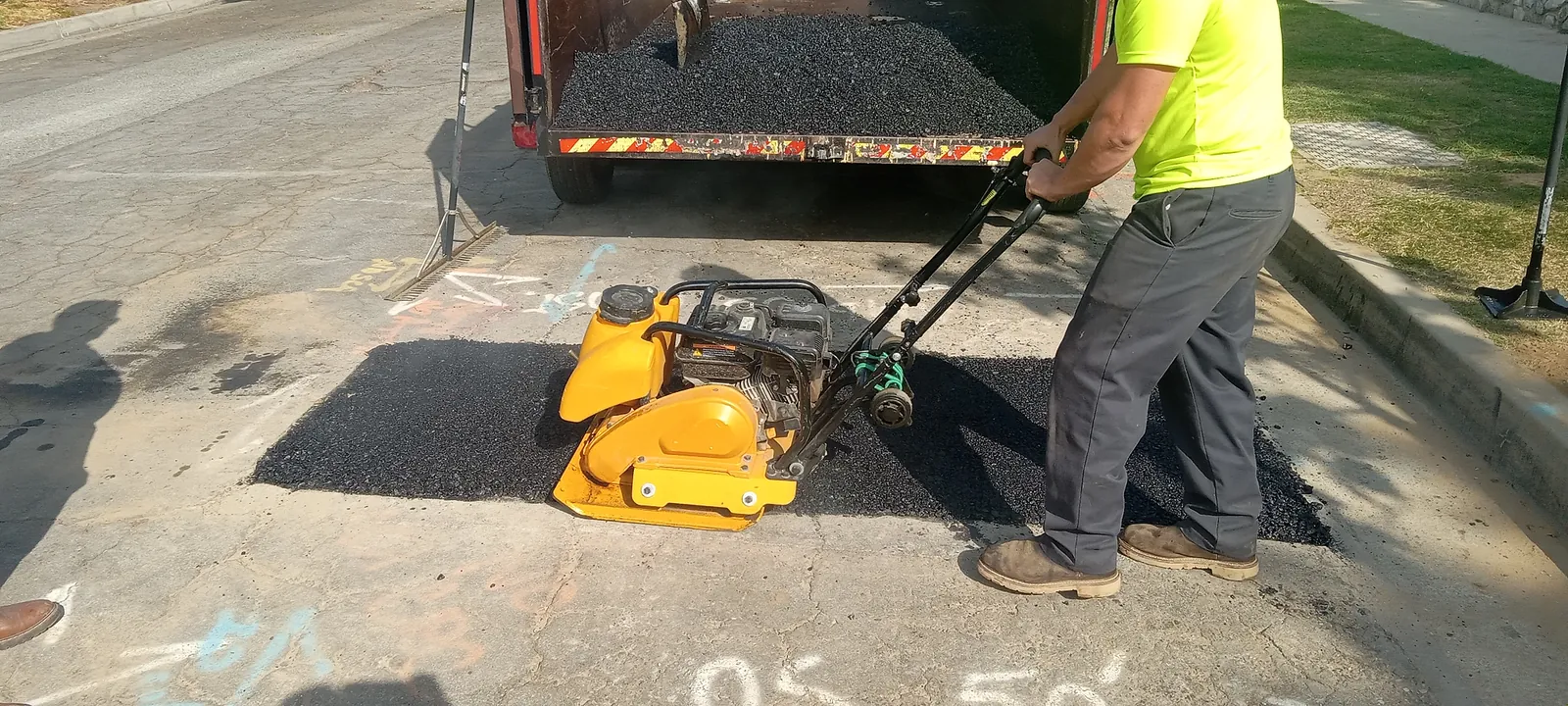
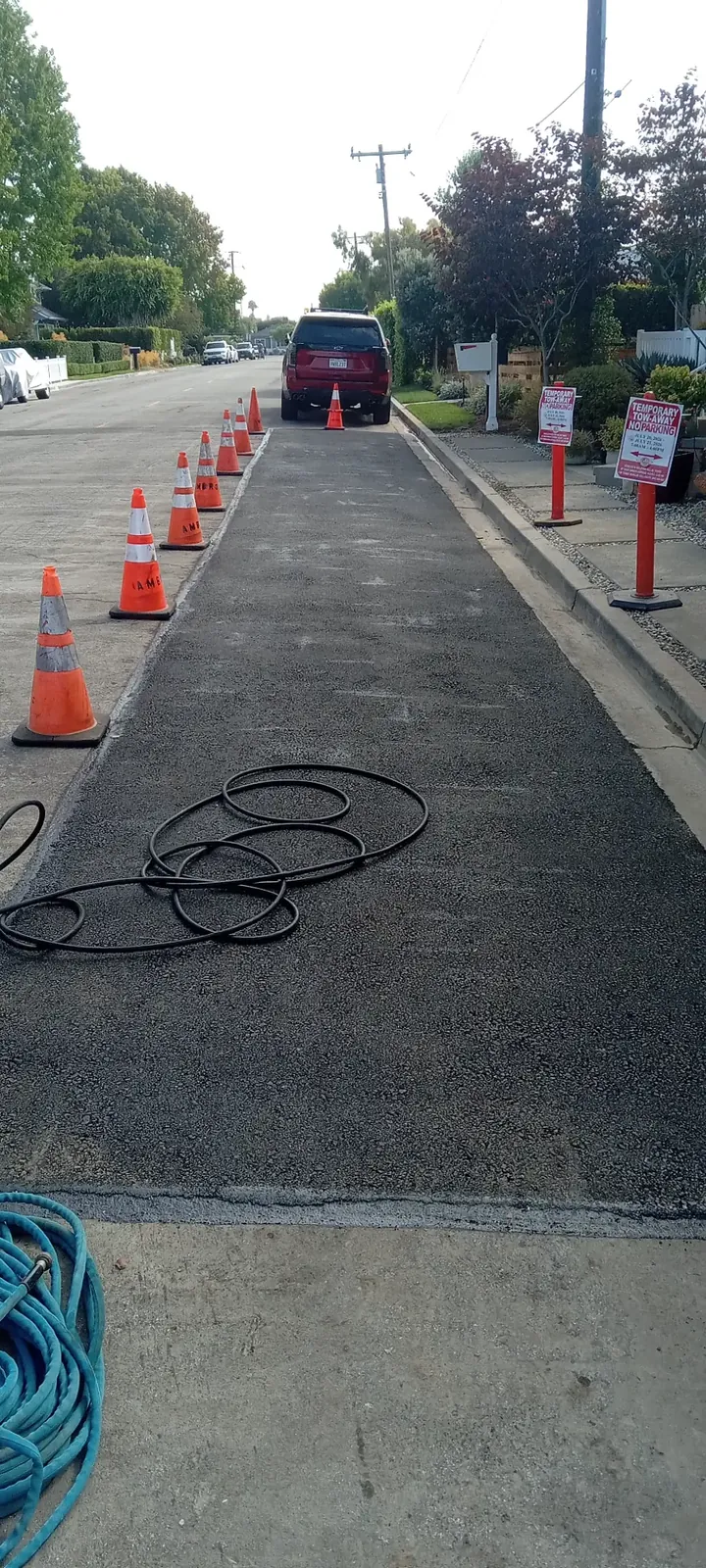
Any time construction work takes place in that zone — including sidewalk repair, curb and gutter replacement, driveway approach work, water service line replacement, or sewer lateral installation — an encroachment permit is required. Without it, the work is illegal and will fail city inspection.

What Is the "Public Right-of-Way"?

The public right-of-way is the land corridor that the city owns or controls along public streets. It typically extends from the back of the curb (or edge of the street) to a point several feet inside what most homeowners think of as their front yard. The exact width varies by city and street classification.

The right-of-way includes the sidewalk, the parkway (the strip between the sidewalk and the curb), the curb and gutter, and often the first few feet of the driveway approach. Even though this land may look like part of your property, the city has legal authority over it — and any construction work there requires their permission in the form of an encroachment permit.

Common Work Types That Require an Encroachment Permit

  • Sidewalk repair or replacement
  • Curb and gutter repair or replacement
  • Driveway approach (apron) repair or replacement
  • Water service line replacement from main to meter
  • Sewer lateral replacement where it crosses the street or parkway
  • ADA curb ramp installation
  • Underground utility connections crossing the right-of-way

Who Pulls the Encroachment Permit — You or Your Contractor?

Your contractor pulls the encroachment permit — not you. In California, encroachment permits for construction work in the public right-of-way are issued to licensed contractors, not to property owners. The contractor must hold a CSLB Class A General Engineering license to be eligible to pull an encroachment permit for most types of infrastructure work.

If a contractor tells you that you need to pull the permit yourself, or if they don't mention permits at all, that is a red flag. A qualified contractor will handle the entire permit process as part of the project.

Red Flags to Watch For

  • Contractor asks you to pull the permit yourself
  • Contractor doesn't mention permits at all
  • Contractor holds only a C-36 (Plumbing) or C-8 (Concrete) license — not Class A
  • No mention of city inspection or final sign-off
  • Unusually low bid with no permit cost included

How Encroachment Permits Work in LA and Orange County

In unincorporated areas of Los Angeles County, encroachment permits are issued through LA County Public Works via their EPIC-LA online portal. In incorporated cities (Norwalk, Downey, Anaheim, Fullerton, Huntington Beach, etc.), each city has its own permit process and portal.

The permit application typically requires the contractor to submit plans or a scope of work, provide proof of bonding and insurance, and pay a permit fee. Processing times vary by city — from a few days to several weeks for more complex scopes. An experienced contractor will know the typical timelines for each city and plan accordingly.

What Happens After the Permit Is Issued?

Once the encroachment permit is issued, the contractor can begin work. The city will typically require one or more inspections during the project — for example, before concrete is poured, and again after the work is complete. The contractor is responsible for scheduling these inspections and ensuring the work meets city standards.

When the city inspector signs off on the final inspection, the permit is closed and your building permit condition is cleared. Make sure your contractor provides you with a copy of the closed permit for your records -- you will need it to release your building permit and may need it when you sell the property.

Need an Encroachment Permit Contractor?

Ambros Construction holds a Class A General Engineering License and handles encroachment permit applications for all types of city-required right-of-way work across LA and Orange County.