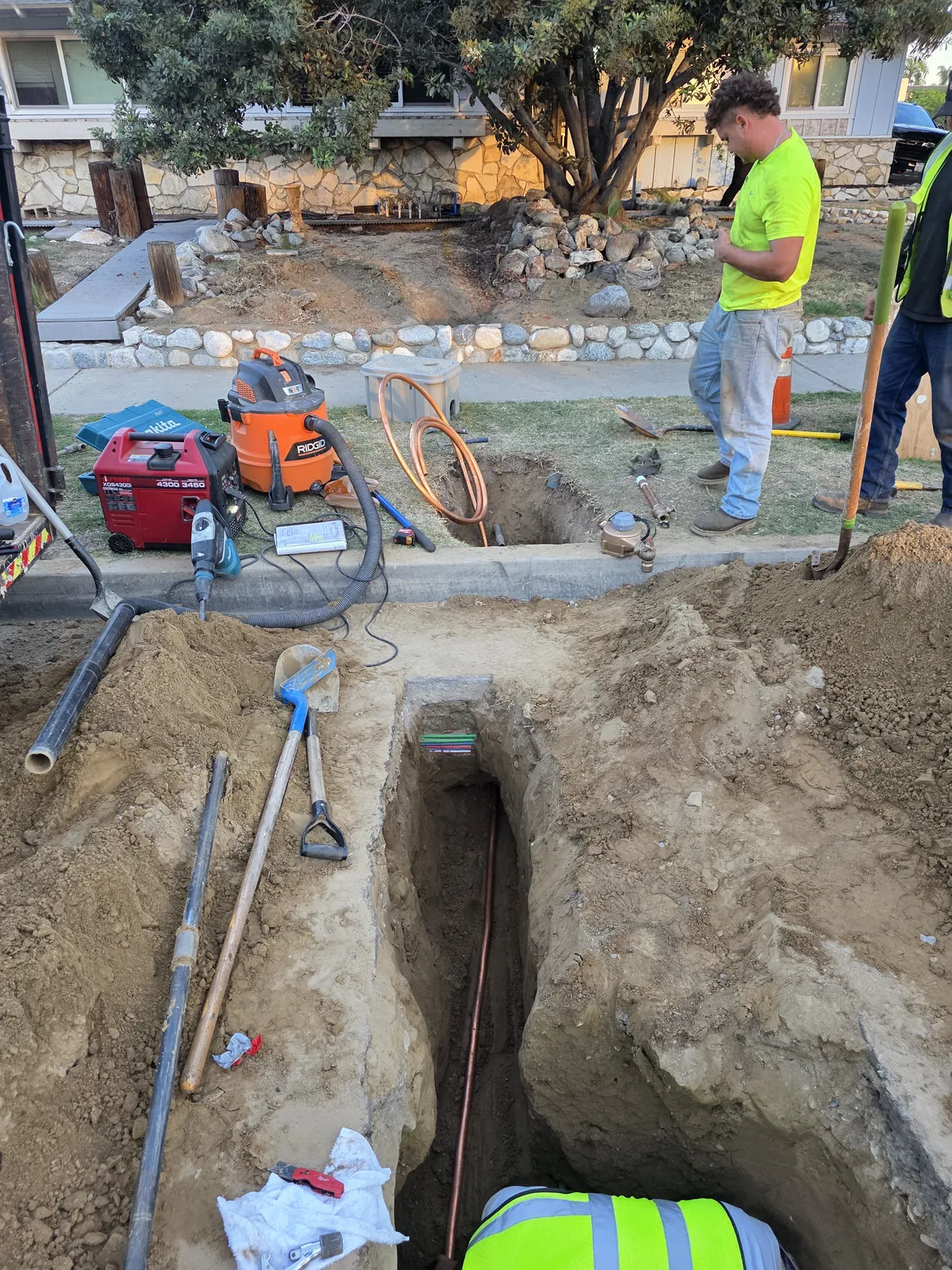
A sewer question can show up after building plans are moving
Your architect’s plans cover the building work. During permit review, the City may also look at utilities or work near the street. That is why a sewer question can appear in a permit-status update after the building side of the project is already moving. The actual City or agency message is the best place to start.
Start with the agency that handles your address
The agency in charge is not always the same from one property to the next. Regional sewer agencies explain that local Cities or County agencies can handle local connection permits and sewer-plan questions. Check the message you received, then ask the issuing City or local sewer provider what applies to your address before making assumptions about permits or approvals.
The route on the ground matters
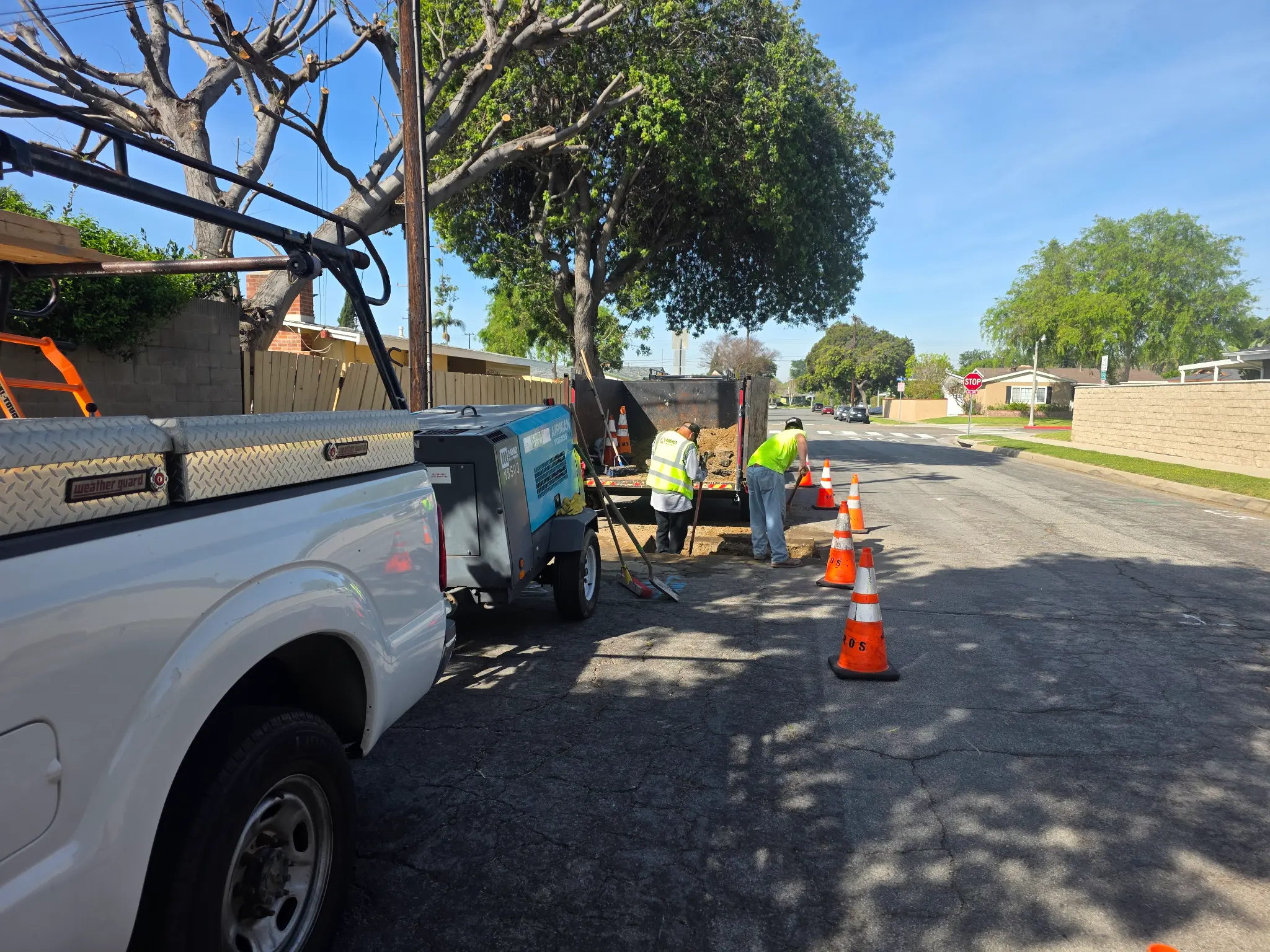
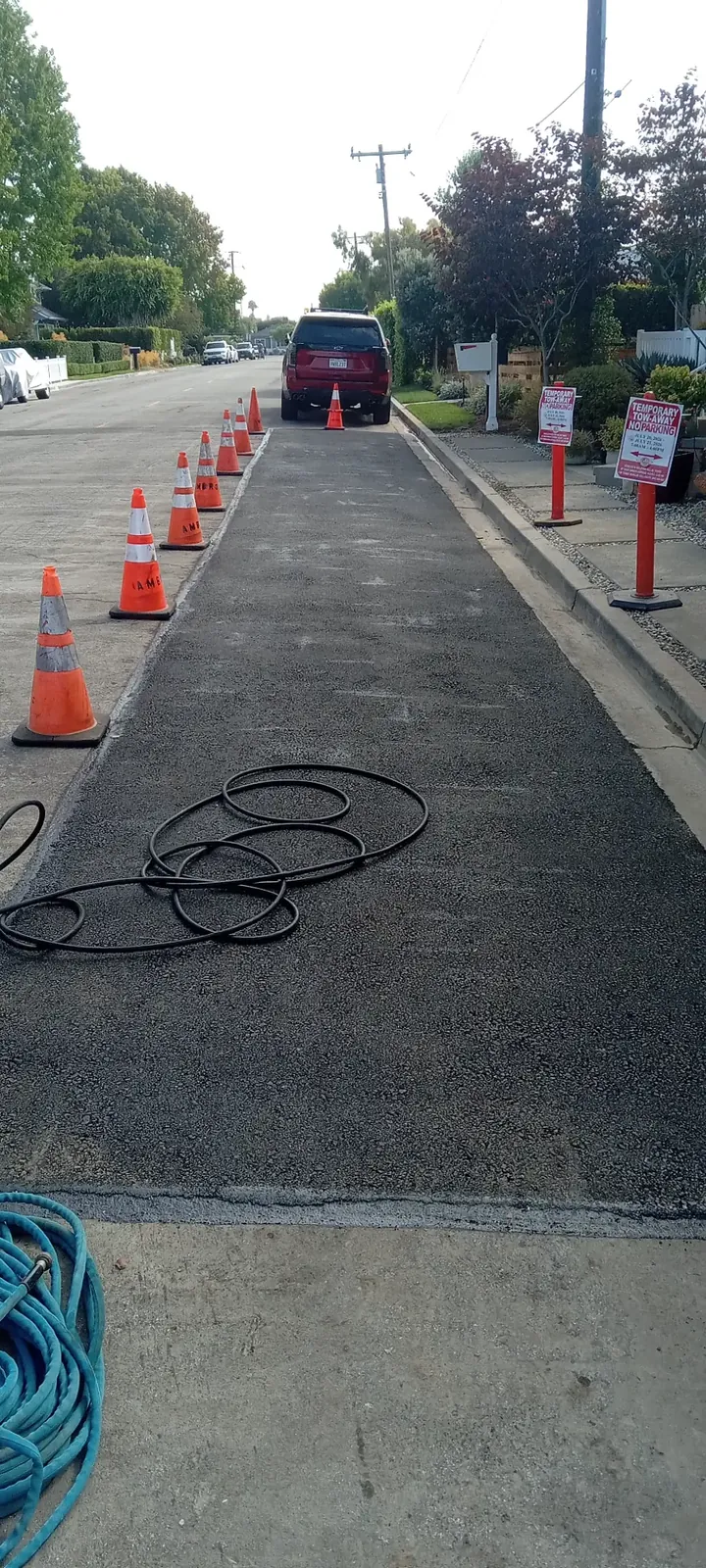
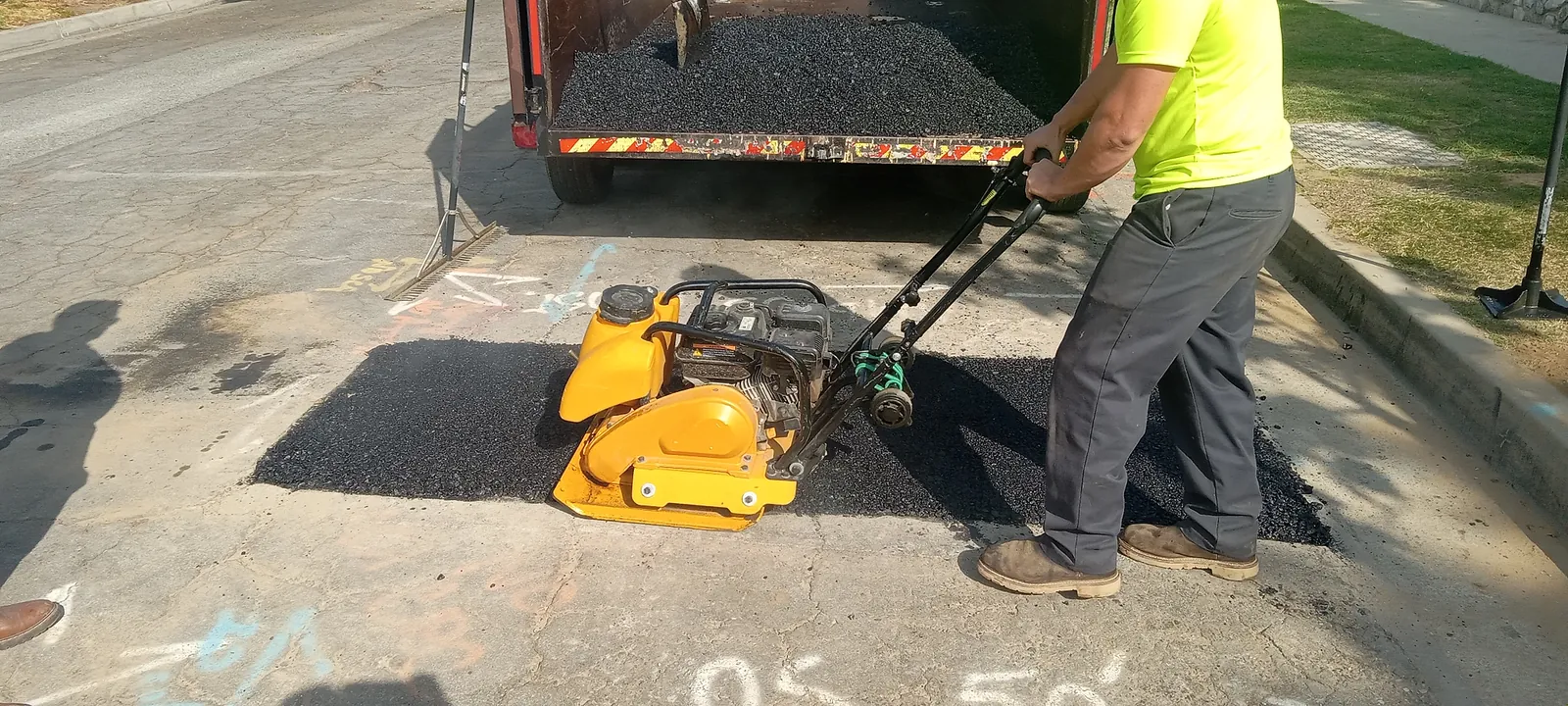
The City note gives us a reason to look closer. It does not tell us everything about the construction work. The route, depth, access, trenching, existing cleanout, and the concrete or asphalt that may need to be opened and restored all help shape the scope. A line that is easy to reach can be a different conversation from one that runs under a driveway or toward the street.
Bring the message, not a guess
Save the City email, portal note, correction sheet, or permit-status message. Send it with the property address and clear photos of the front of the property, sewer cleanout, driveway, sidewalk, curb, and street when those areas are involved. If the wording is unclear, ask the City or local provider which department issued it and what it is asking for.
A site visit puts the details in one place
On site, we can look at where the work may run, how crews can reach it, what needs to be removed and restored, and the questions still open in the City message. That is a more useful first step than trying to turn a short permit note into a final construction scope on your own.